
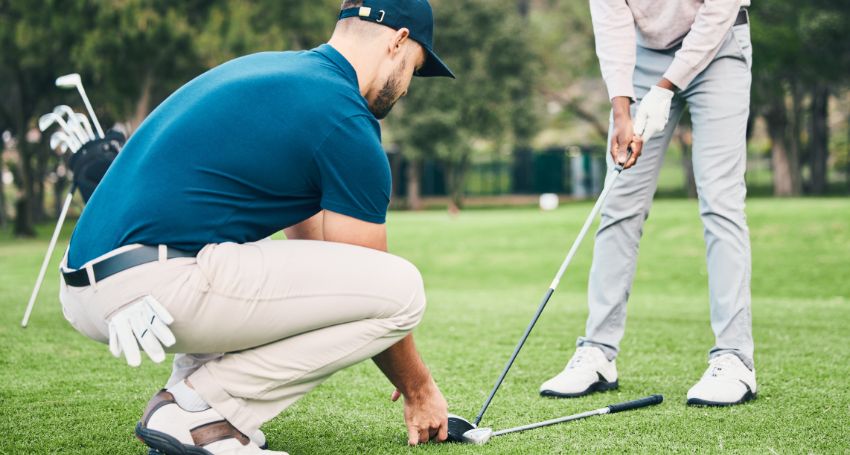
You can consider a golf club fitting when you first take up the game, before buying new clubs, or when your swing, physical needs or performance have changed. You do not need a perfect swing or a particular handicap. A fitting helps you understand whether your equipment supports the swing you have today.
Getting fitted for the first time
Beginners can benefit from checking club length, weight, grip size and other specifications before committing to a set. Clubs that suit your build and movement give you a useful starting point as you learn. Bring the clubs you already use so the fitter can compare familiar equipment with other options.
If you are still deciding what equipment you need, read our beginner equipment and fitting guide. Fitting and coaching can work together as your game develops.
Fit before you buy new clubs
A new model or a club that works well for a friend may perform differently in your hands. Testing before buying lets you compare heads, shaft weights and flexes, lengths and grips against your current clubs. The aim is to find an improvement you can see in the results and feel during your swing.
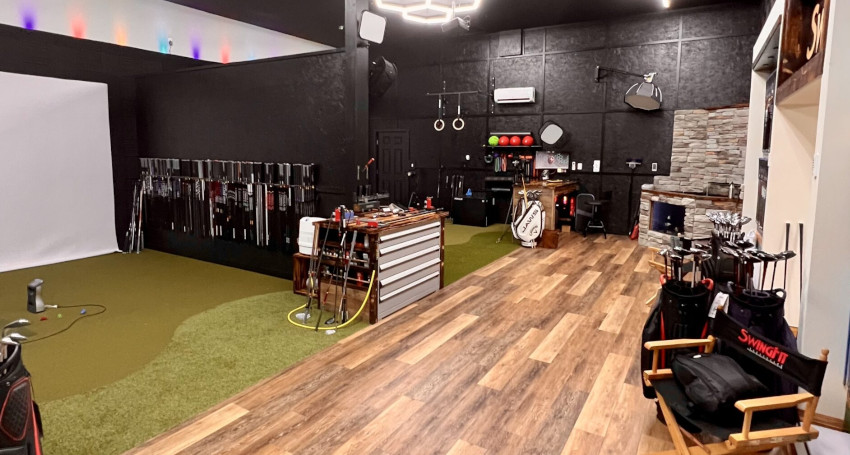
Revisit your fit when your needs change
- Your usual ball flight or strike pattern has changed and you want to understand why.
- You have reached a performance plateau despite practice and want to assess the equipment’s contribution.
- Changes in strength, mobility or physical comfort have made your clubs harder to use.
- Your current clubs feel too heavy, too light, too long or too short.
- You are adding or replacing a club and need to check distance gaps across your bag.
A fitting compares your current setup with alternatives. It helps distinguish an equipment issue from a technique issue and gives you information to discuss with your coach.
Do you need a more consistent swing first?
In SwingFit’s original video, John explains that a fitter does not need ten perfect shots to learn from your swing. A few representative strikes can reveal how a club is helping or making the task harder. If you have been postponing a fitting because you do not feel good enough, bring that concern to the fitter.
Major and minor swing changes
SwingFit distinguishes changes to timing, speed, tempo or pace from changes such as club path, swing direction, face-to-path or angle of attack. If you are making a substantial change to those timing and speed characteristics, it can make sense to become comfortable with the new motion before finalizing equipment.
Other adjustments do not automatically mean you need to delay. Discuss what you are changing and, if you are taking lessons, involve your coach. The fitter can help you decide whether to assess your current clubs now or return once the new motion is more settled.
Which clubs should you fit first?
Start with the part of your bag that creates the biggest problem for your game. A driver fitting may address tee-shot dispersion, an iron fitting can examine strike and distance control, and wedge or putter fitting can focus on your short game. There is no single order that suits every golfer.
SwingFit’s Custom Fittings service focuses on a particular section of your bag. The Full Bag Make Over considers the set across separate sessions. Ask the team which option fits your priorities and budget.
Plan your next step
Read what to expect during a fitting before your visit, and use the golf club fitting cost guide to understand the factors involved. Then visit Custom Fittings to review the current service and contact the Bunker Hill studio.